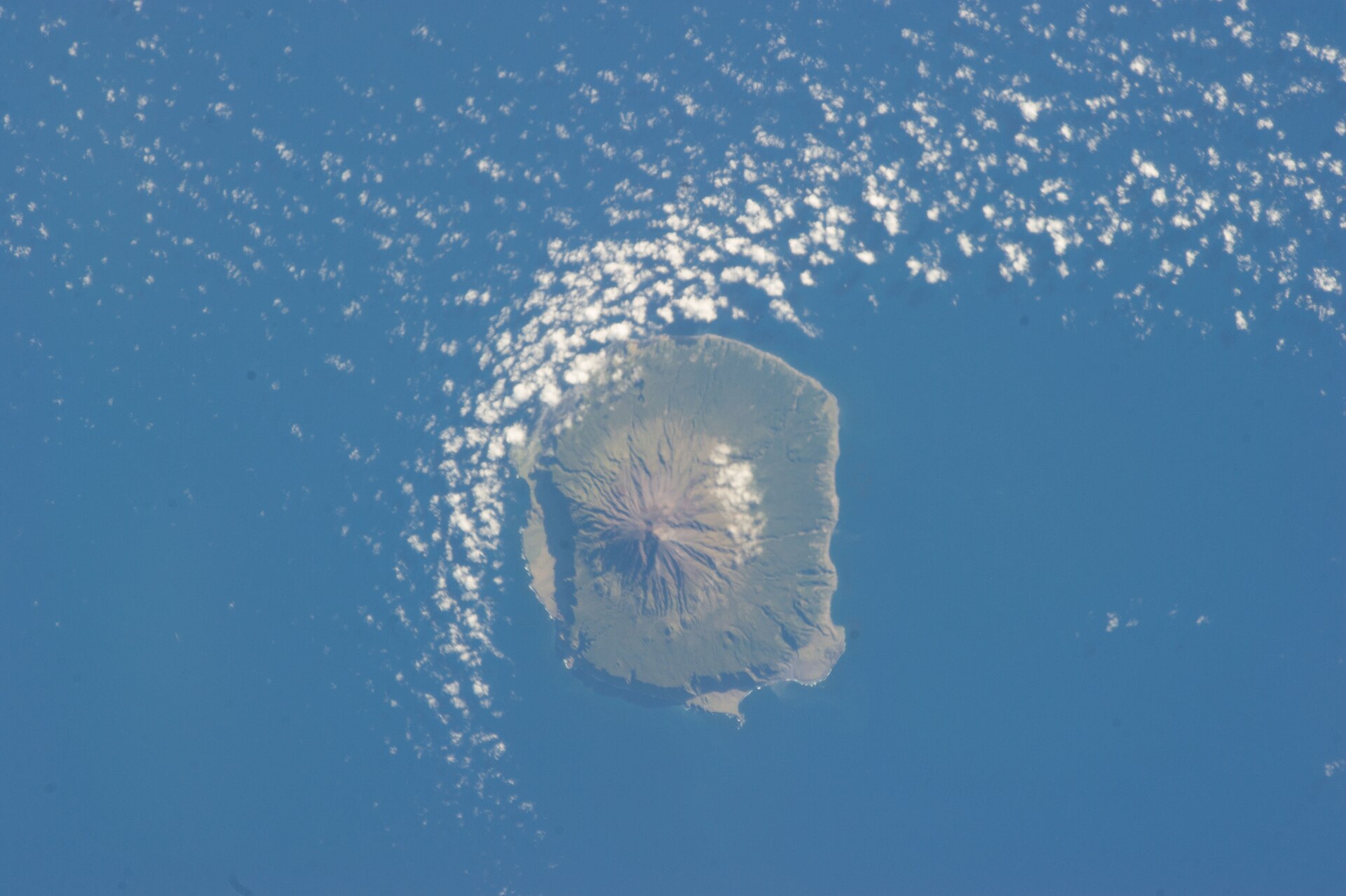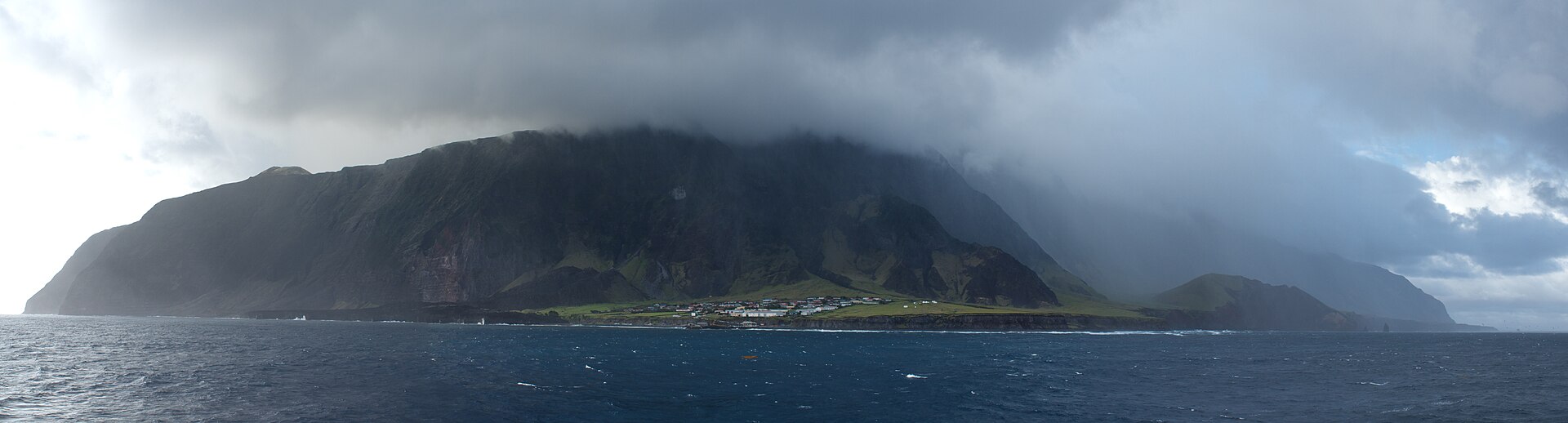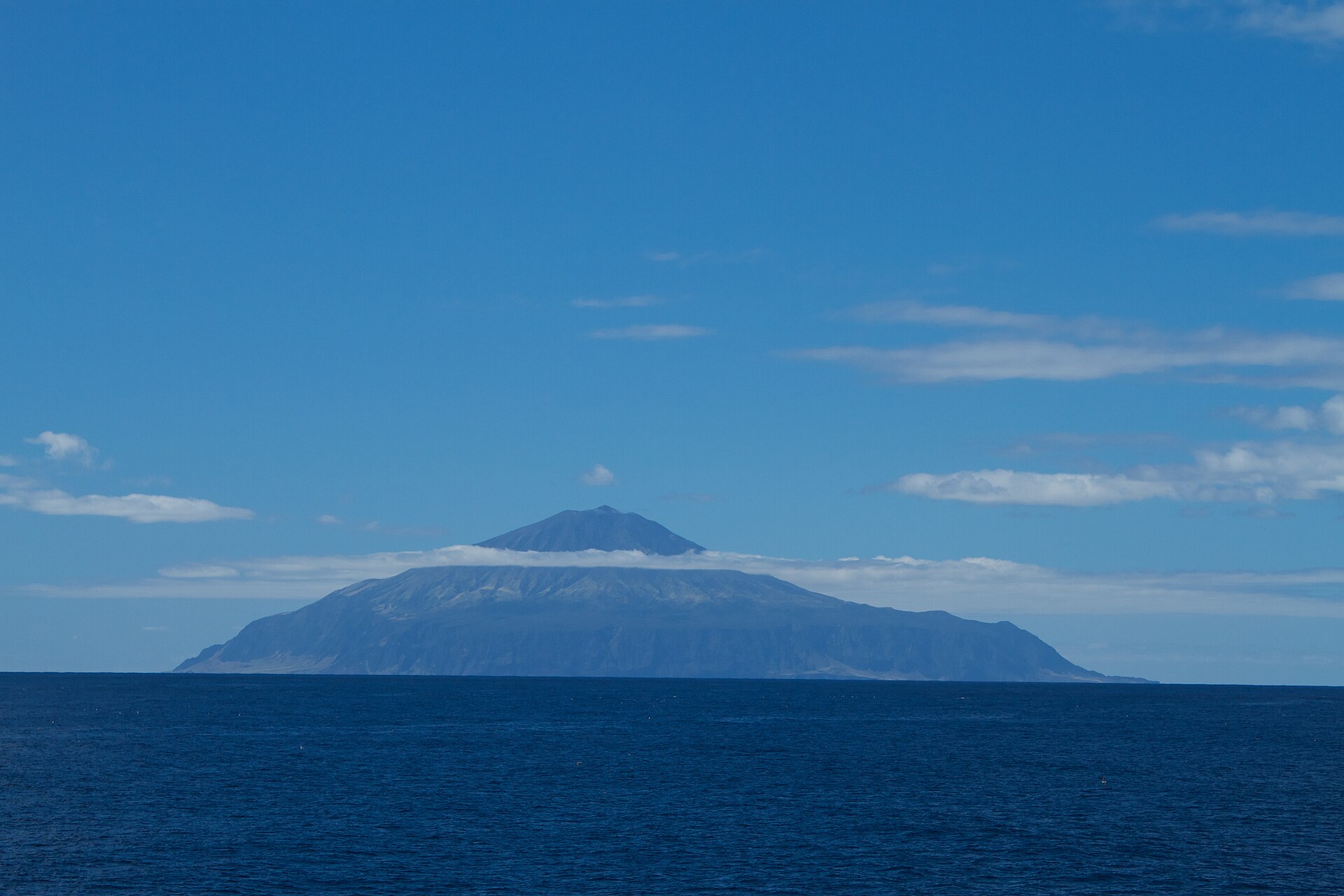
Tristan da Cunha is a 2,062-metre volcano with a village on its only flat ledge: around 240 people, seven surnames, one road, and 2,800 kilometres of South Atlantic between them and the nearest port. There is no airport and no shortcut, just a handful of sailings a year from Cape Town, and one of the last journeys on the planet that still deserves the word.
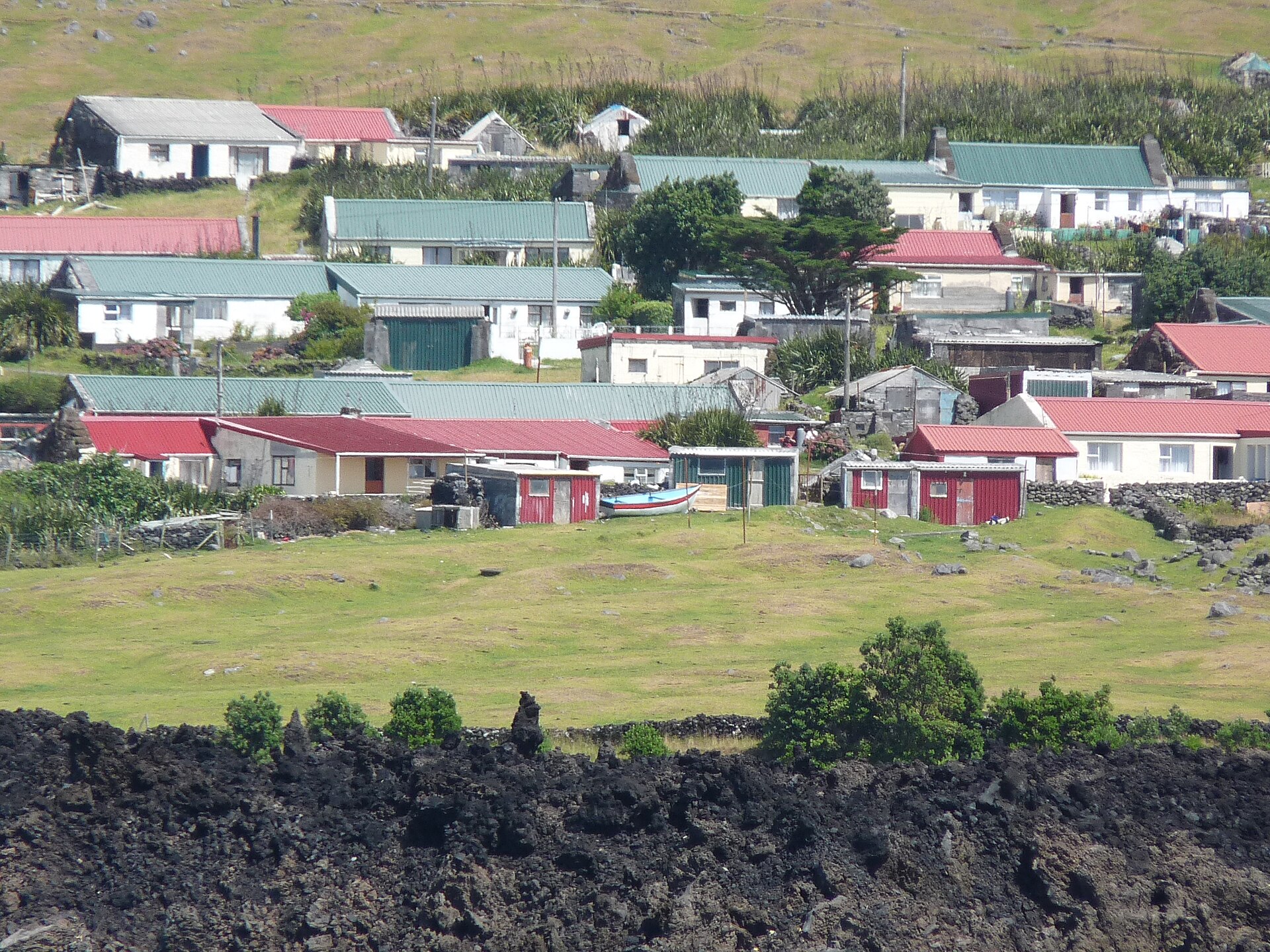
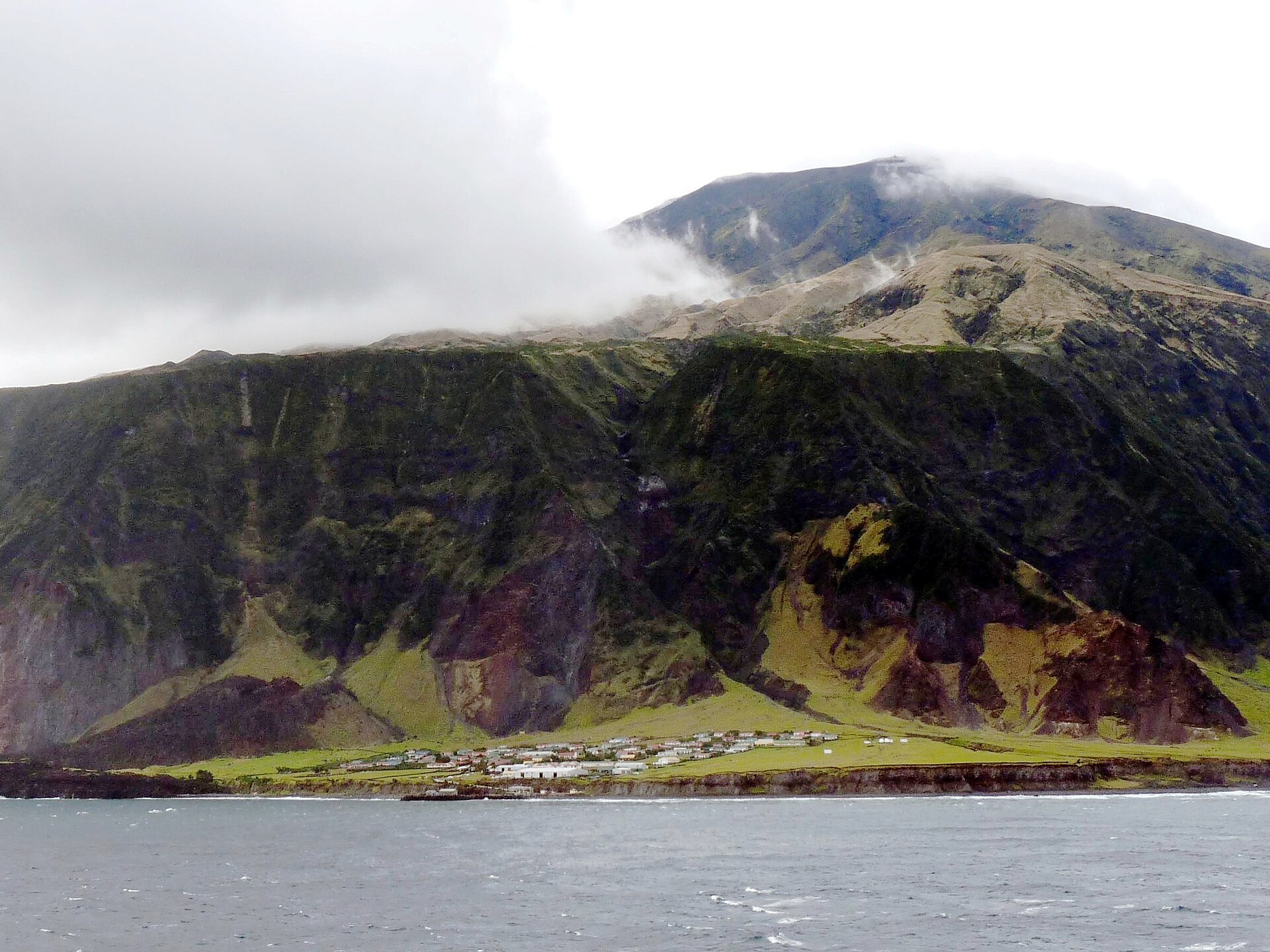
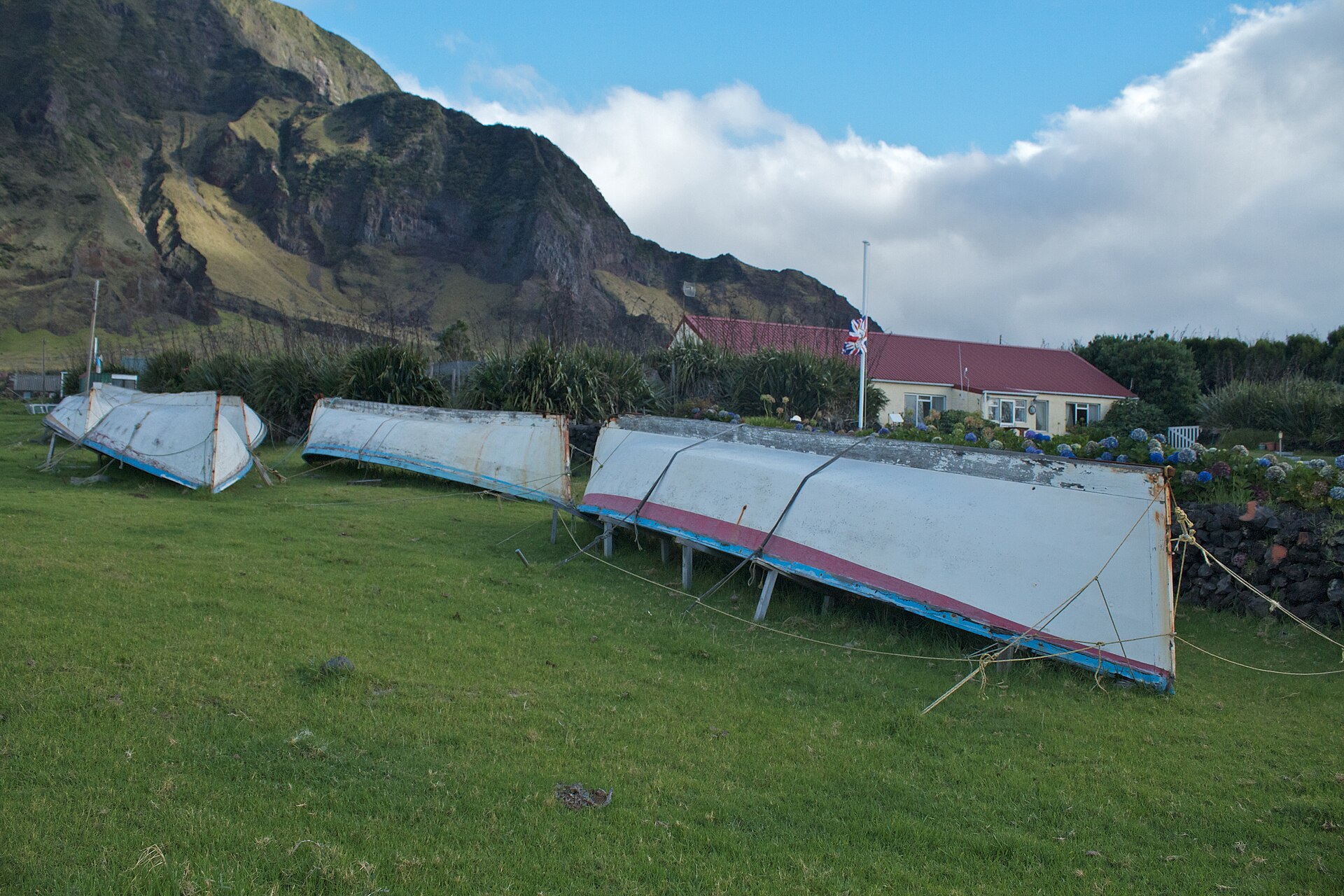
Everything human on Tristan fits on a lava ledge at the volcano's north-west foot: Edinburgh of the Seven Seas, "the Settlement" to everyone who lives there, with its tin-roofed cottages, the school, the pub, the lobster factory and the Potato Patches a couple of miles down the only road.
Everything else is mountain and ocean: the long climb to Queen Mary's Peak, the giant cliffs that ring the island, and the outer islands, Nightingale and Inaccessible, where the seabird colonies outnumber humanity by a million to one.

The remotest village on Earth keeps a school, a hospital, a pub called the Albatross and seven family names that arrived with shipwrecks and garrisons. Visitors live in it, not beside it.

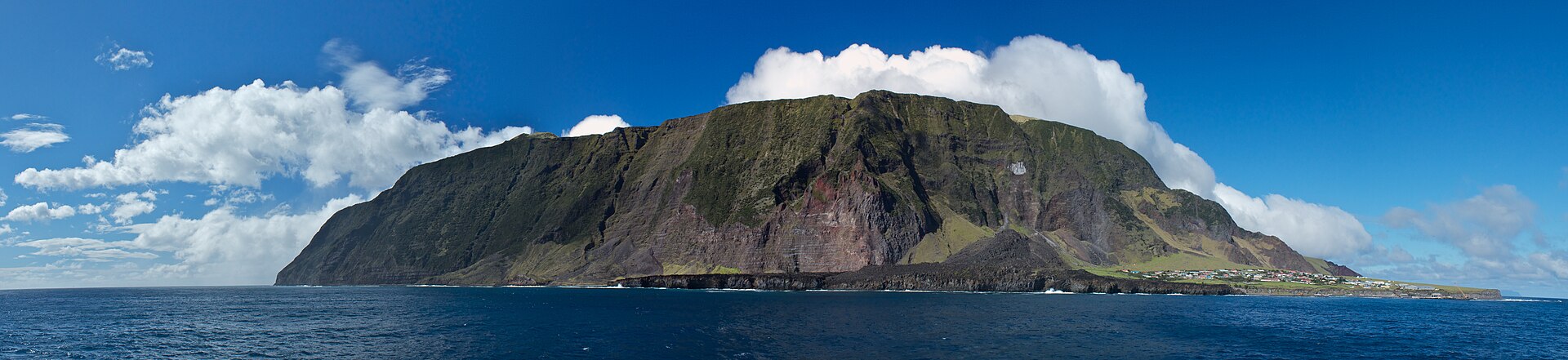
The island is one cone from seabed to summit crater. The climb, guide required, weather permitting, starts at sea level and ends above the clouds at a heather-ringed crater lake.

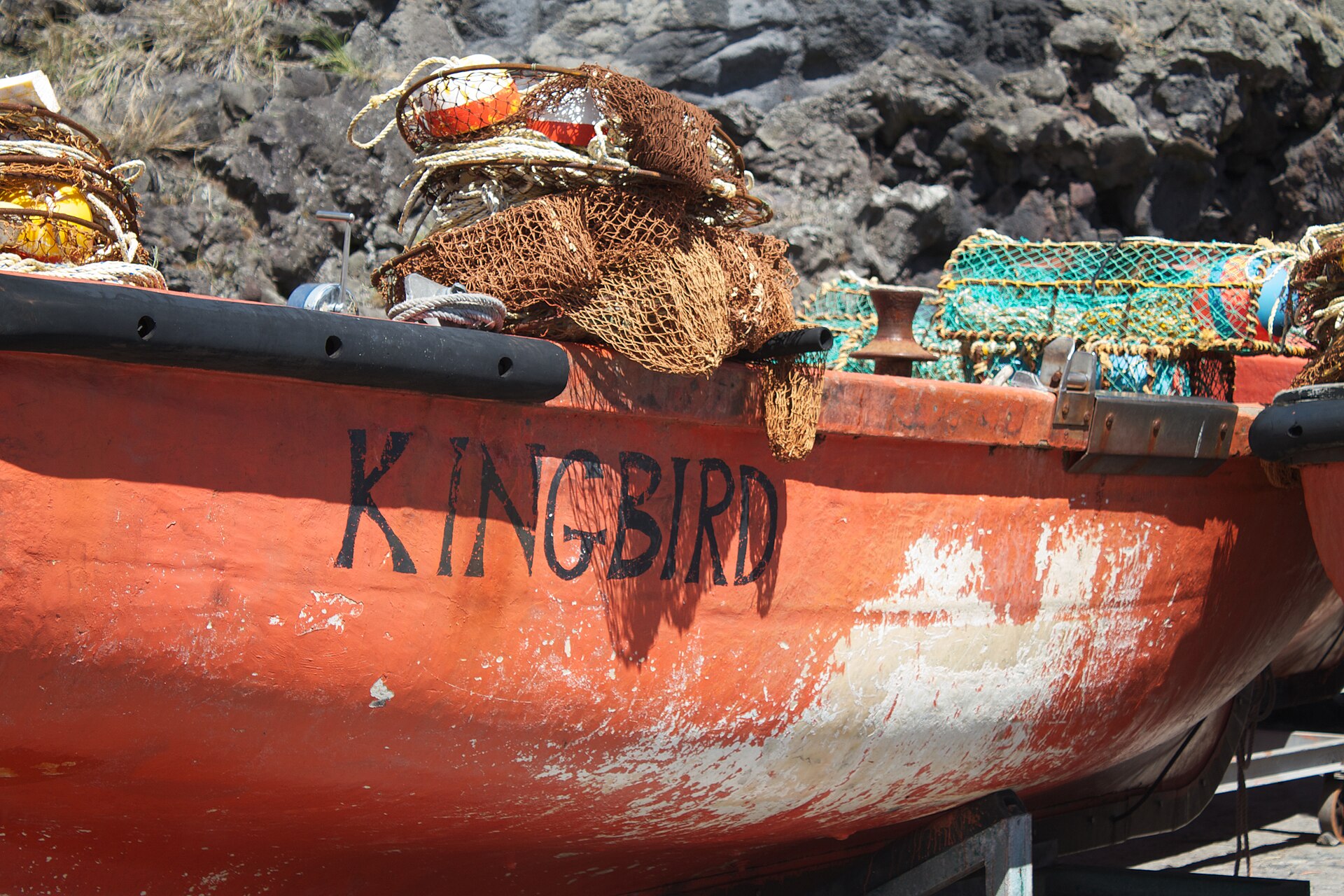
The Tristan rock lobster pays the island's bills, and the gong that announces a fishing day still empties the village. Ask politely and you may crew a boat, or at least eat the result nightly.

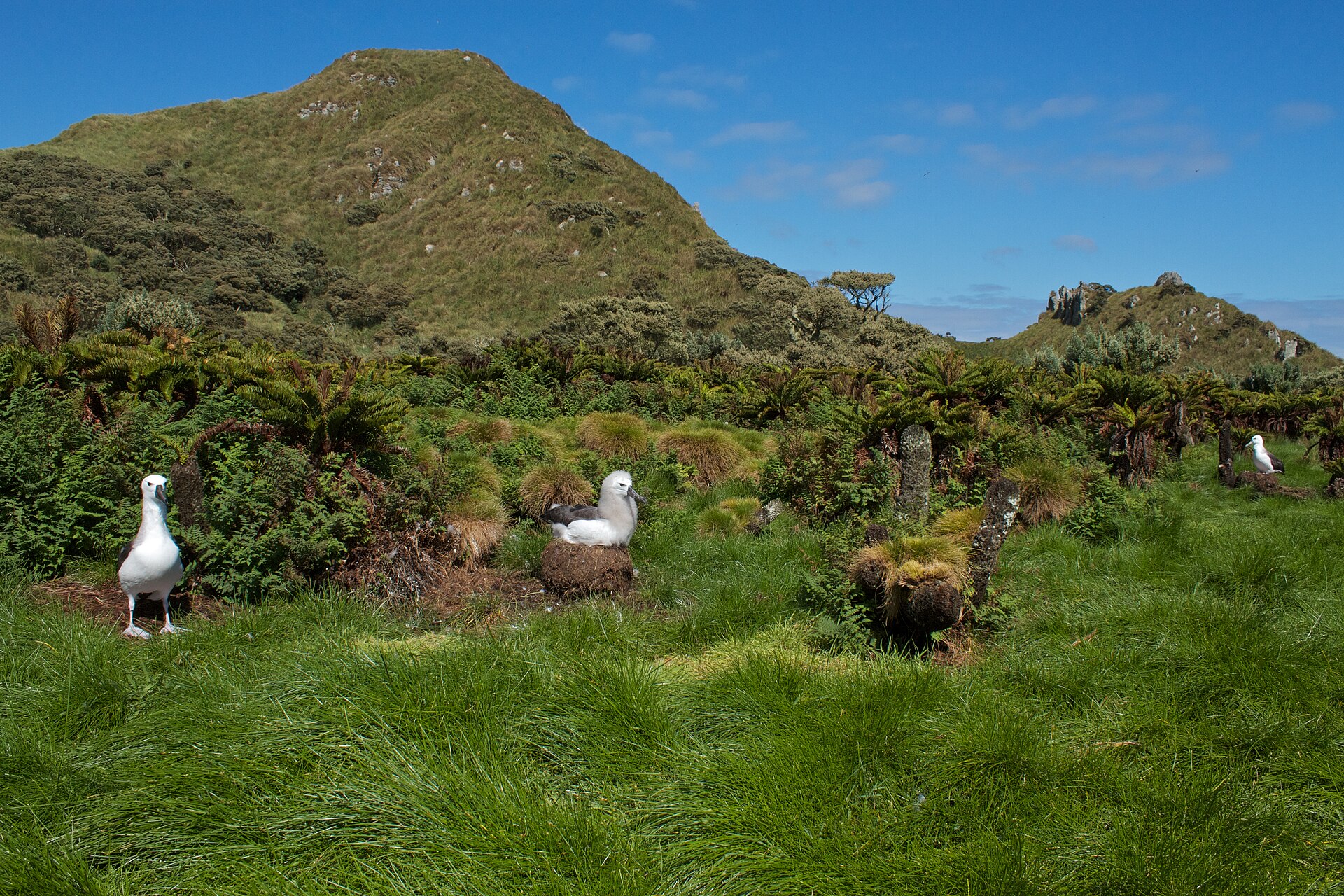
Weather permitting, longboats run to Nightingale: yellow-nosed albatrosses nesting at arm's length, rockhopper penguins in the tussock, and a landing that is itself an adventure.

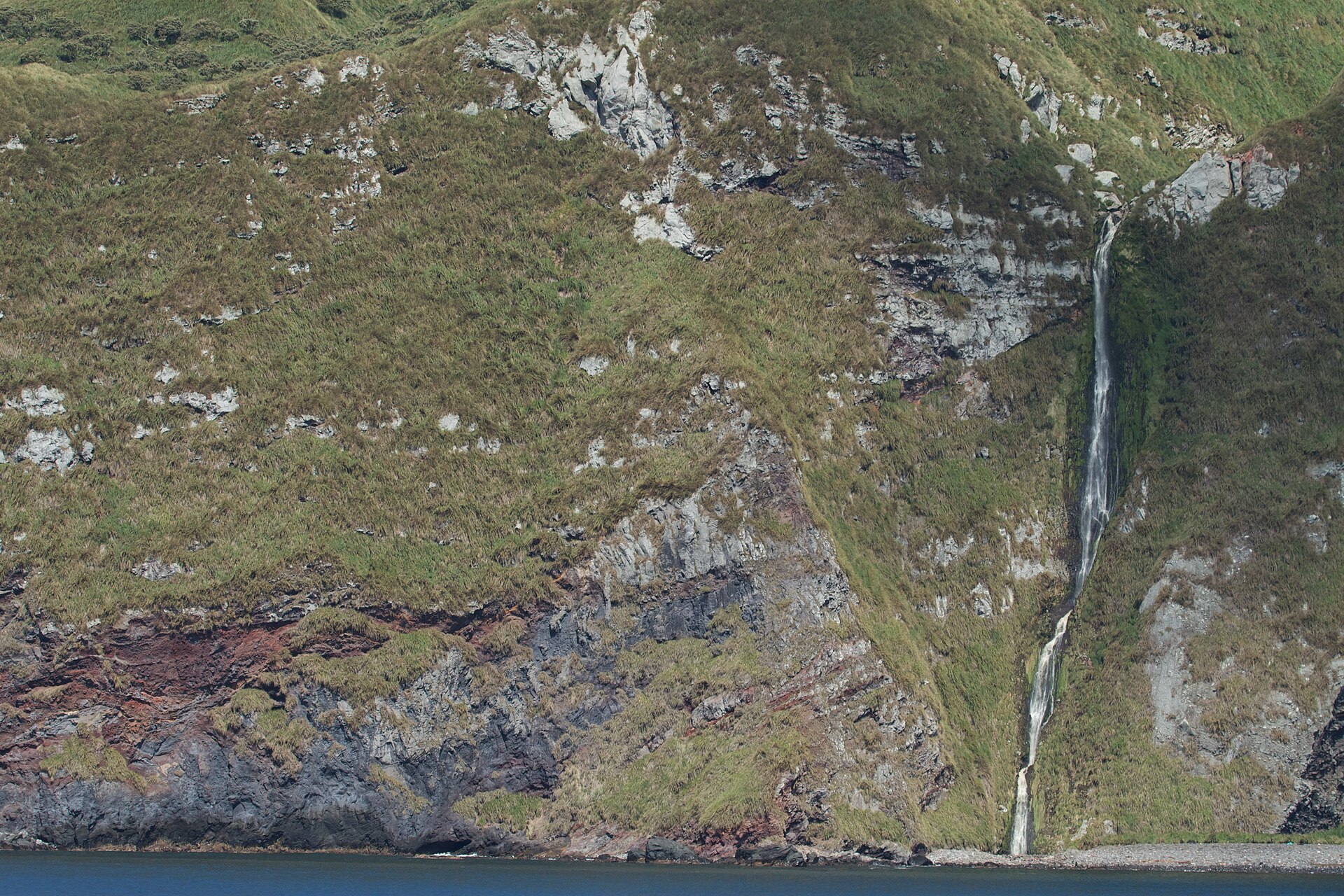
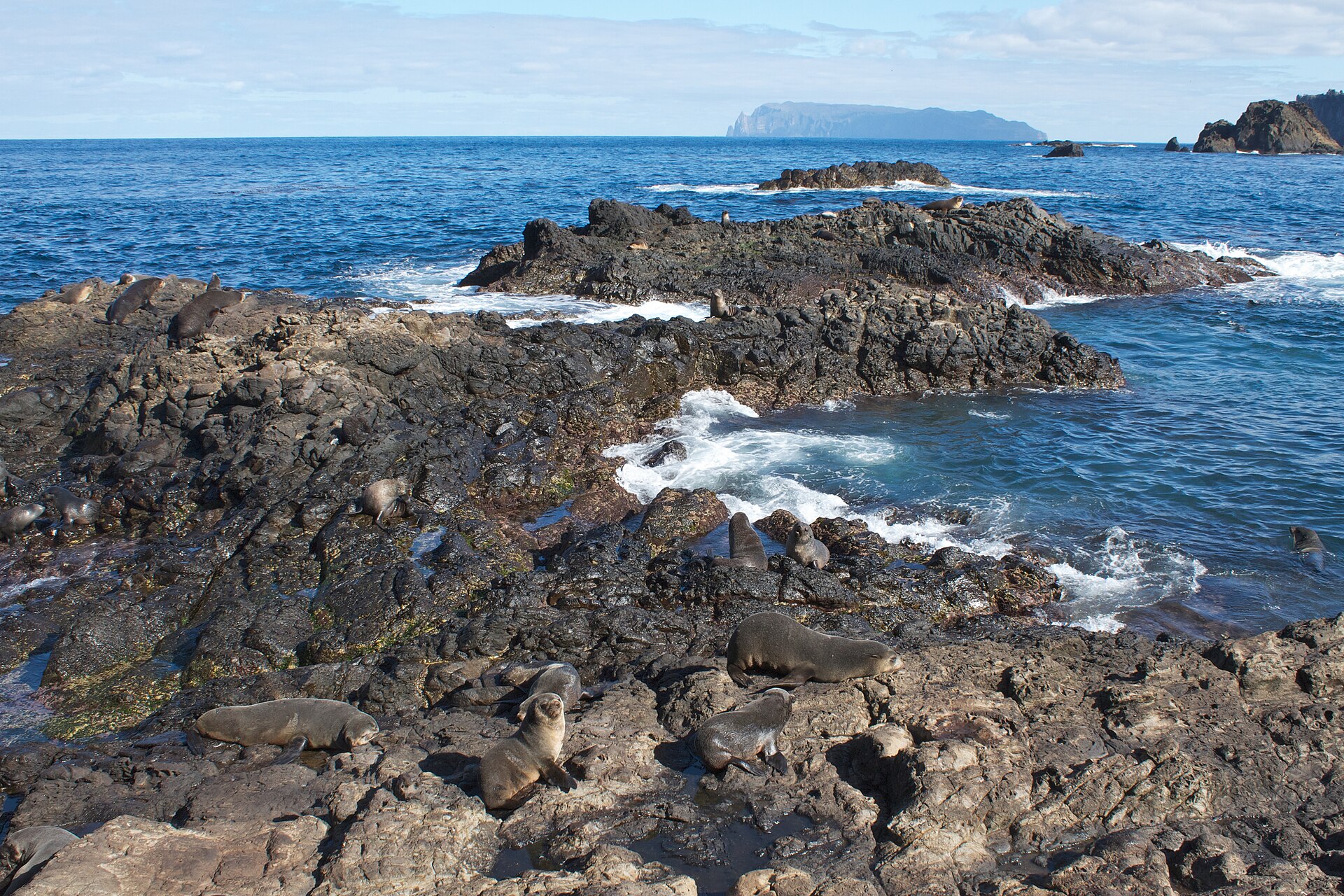
A World Heritage fortress of cliffs and waterfalls, home to the world's smallest flightless bird. Landings are rare and strictly managed, seeing it from the rail is already a privilege.

In 1961 a vent opened beside the village and all 264 islanders were evacuated to England. Two years later, almost every one of them voted to come back. The lava field still smokes the story.
All roads to Tristan start in Cape Town and take about a week at sea. Berths are scarce, schedules shift with the weather, and the Island Council must approve every visit in advance, this is a journey you plan a year out, not a week.
The lobster company's vessels and the polar ship serving the island carry a dozen passengers each sailing. Book through the Tristan government the day the yearly schedule appears; expect two to three weeks ashore between sailings.
A few expedition ships call each year en route between the Antarctic season and Europe, landing by zodiac if the swell allows. You trade depth for certainty: a taste of the Settlement, not a share of its life.
Teachers, medics, engineers and researchers reach Tristan on contracts arranged with the administration, the only visitors who stay long enough to see a full gong-to-gong fishing season.
On Tristan itself you stay in island guesthouses arranged with the administration, there is nothing to book online, which is half the point. Around the voyage, though, you will need Cape Town: ships leave and return with weather margins, so pad both ends generously.
Practical pieces on a place with almost no practical information online: schedules decoded, permissions explained, expectations calibrated. New entries twice a week.
Brian Gratwicke, CC BY 2.0The full process, from the Island Council's yes to the gangway in Cape Town.

How landings are decided, what you'll see, and why the swell always votes.

Fishing gongs, Potato Patches, the Albatross Bar and island manners.
By sea only: around nine sailings a year from Cape Town on fishing and polar vessels, six to seven days each way, booked through the island government months ahead. A few expedition cruises also call for a day. No airport, no exceptions, the ocean is the ticket price.
Yes. The Island Council approves every visit in advance; your berth is only confirmed with that approval. The process is friendly but firm, the village hosts you personally, so it decides who comes.
The ship decides: typically a few days to three weeks between arrival and the return sailing. Flexibility is not optional, weather can stretch any schedule at either end.
In guesthouses and homestays in the Settlement, full board, arranged with the administration. Expect island cooking with lobster at a frequency that would bankrupt you anywhere else.
The austral summer, December to March: the calmest seas for landings, the climbing window for Queen Mary's Peak, and the seabird colonies at full volume. Book the moment the year's schedule is published.