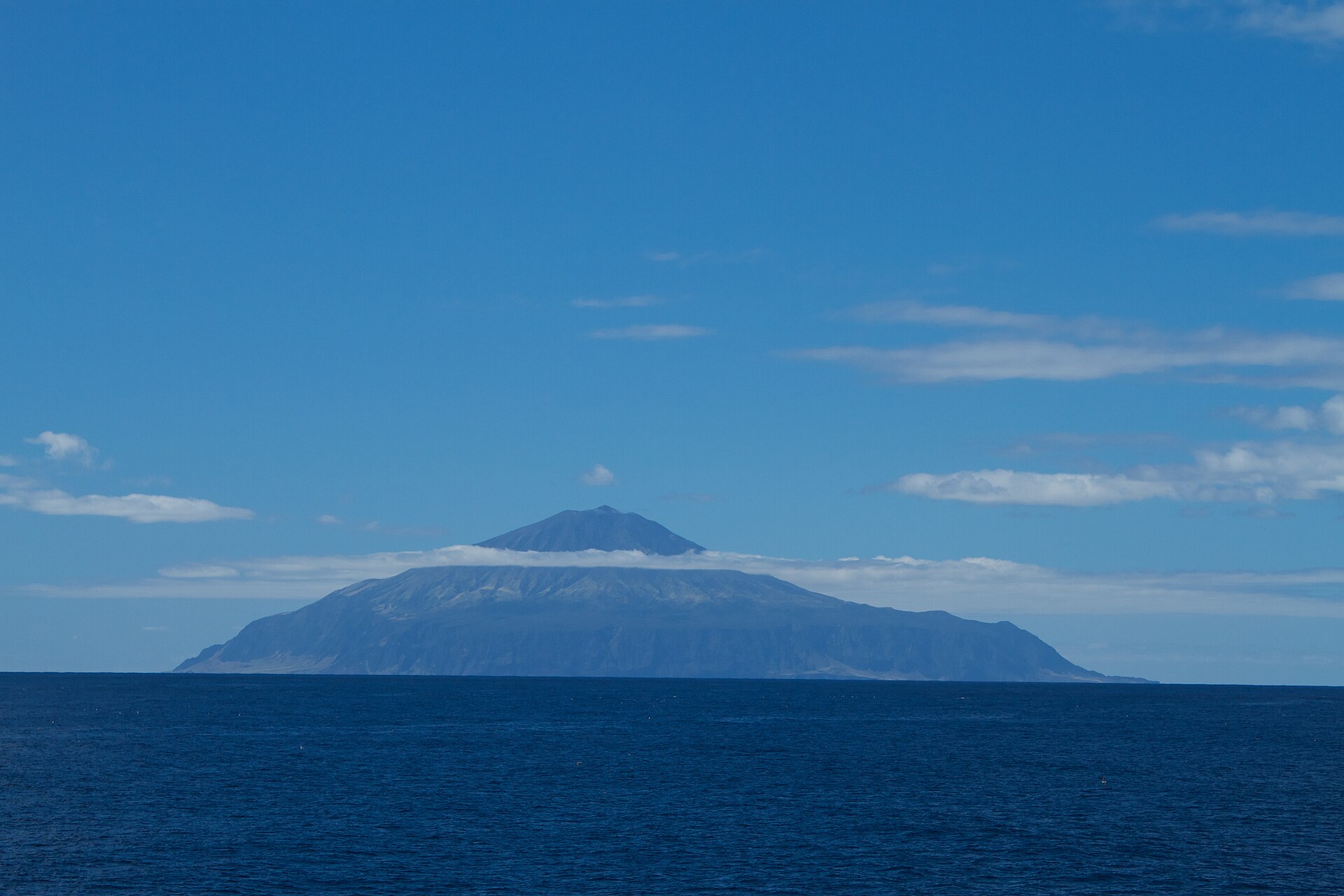
Asking "where to stay" on Tristan da Cunha is really three separate questions, because the journey has three distinct beds in it. There is the cabin or berth on the ship for the roughly six-day crossing from Cape Town. There is a room in Edinburgh of the Seven Seas, the only settlement on the island, home to about 240 people. And there is Cape Town itself, where almost every visitor spends at least two or three nights waiting on weather, cargo, and a departure date that moves. None of these is a hotel in the ordinary sense. What follows compares the realistic options at each stage, with who they suit and what they cost.
On the ship: cabin class and the realities of the crossing
Passage to Tristan is on whichever RAF, fisheries patrol, or supply vessel is scheduled, not a cruise line, and berths are limited to a handful per voyage. Cabins are typically shared, two to four to a room, with a shower and basic furniture rather than a bed, in the sense of hospitality marketing. Expect to pay in the region of USD 3,500 to 5,000 for a round trip including the stay ashore, though this varies by operator and year, so treat any figure as a starting point for budgeting rather than a quote. Seasickness is common for the first day or two in the Roaring Forties swell. Because space is so limited, berths are allocated well before cabin preferences matter: the real booking decision happens months ahead, covered in detail in reading the sailing schedule and booking a berth. If you have a choice, a lower, more central cabin rides the motion better than one near the bow.
In the settlement: guesthouses and self-catering cottages
Once ashore, accommodation is arranged directly with island families or through the island's administration, since there is no booking platform and no hotel chain will ever operate here. Options fall into two types. The first is a guesthouse room in an islander's home, often with breakfast and sometimes other meals included, at roughly GBP 50 to 80 per night. This suits travellers who want conversation, local knowledge, and the quickest route into island life, since many hosts are also fishermen, farmers, or involved in the fishery that supports the island's economy. The second is a self-catering cottage, sometimes a spare dwelling near the main road through the settlement, at a broadly similar nightly rate but with more independence over cooking and hours. This suits those staying longer, working to their own schedule, or travelling as a small group. Either way, book as early as you have confirmed ship dates: with only a few beds available island-wide, a late request after your berth is confirmed can mean no room at all, since the same families are often juggling a handful of arrivals at once.
Confirm island accommodation as soon as your ship berth is secured, not after. With a village of 240 and only a few spare rooms, arrivals can outnumber beds on a single sailing.
Choosing between guesthouse and cottage
For a first visit, a guesthouse room is the better pick: hosts introduce you to the rhythms of the settlement, from church times to when the shop opens, and that context shapes how you spend a week in the settlement. For a return visit, or for anyone planning an early start to climb Queen Mary's Peak, a self-catering cottage gives more control over meal times and gear drying. Neither option comes with daily housekeeping or a front desk, and neither should be expected to. Wifi, where available, is limited and shared, so plan for evenings without much screen time regardless of which you choose.
Cape Town before and after: the waiting room for the voyage
Almost everyone sailing to Tristan passes through Cape Town, and almost everyone waits there longer than planned, because sailing dates shift with cargo loading and weather off the Cape. Budget at least two to three nights before departure and a similar buffer after return, in case the ship is delayed: on this route, a delay is the system working as intended, not a failure of it, since vessels will not risk the Agulhas Current conditions for a fixed schedule. Staying near the harbour side of the city keeps you close to the terminal for early departures and reduces the taxi time if a sailing is brought forward at short notice, which does happen. Nightly rates in Cape Town range widely, from roughly USD 40 for a simple guesthouse room to USD 150 or more for a central hotel, so most travellers can find something that matches a modest daily budget without sacrificing proximity to the port. Reading up on how to get to Tristan da Cunha before you book helps you judge how much slack to build into your Cape Town stay.
A clear pick for each kind of traveller
If you are visiting once and want the fullest sense of island life, choose a guesthouse room in the settlement and a mid-range, harbour-side guesthouse in Cape Town: the combination keeps costs predictable, roughly GBP 60 and USD 60 per night respectively, and puts you close to people who can answer questions as they come up. If you are a returning visitor, a researcher, or staying several weeks, a self-catering cottage on Tristan paired with a longer, cheaper Cape Town stay (even a week, given how often departure dates move) gives more control over your own time. If your main goal is the outer islands rather than the settlement itself, accommodation choice on Tristan matters less than fitness and weather luck: see what to expect on Nightingale and Inaccessible Island day trips before fixing dates. In every case, lock in the ship berth first, then the island room, then the Cape Town nights around whatever slack the schedule leaves you. Treat the 1961 evacuation and return, covered in the year the island left and came back, as a reminder that this community has always measured its comings and goings in days and berths, not room-service menus, and plan your own stay in that same arithmetic.